
Why Fatherless Doesn’t Mean Fearless Comes Naturally
Breaking myths about resilience and why support matters.
There’s a phrase people love to use when talking about girls who grow up without their fathers: strong.
She’s strong. She’s independent. She’s resilient.
And while strength can absolutely grow in those circumstances, the truth is this: fearlessness doesn’t just show up on its own.
Growing up fatherless doesn’t automatically make a girl confident, bold, or emotionally prepared for the world. More often, it means she learns how to survive early. She figures out how to guard her heart. She becomes observant, careful, and sometimes quiet about what she’s carrying.
That’s not fearlessness. That’s adaptation.
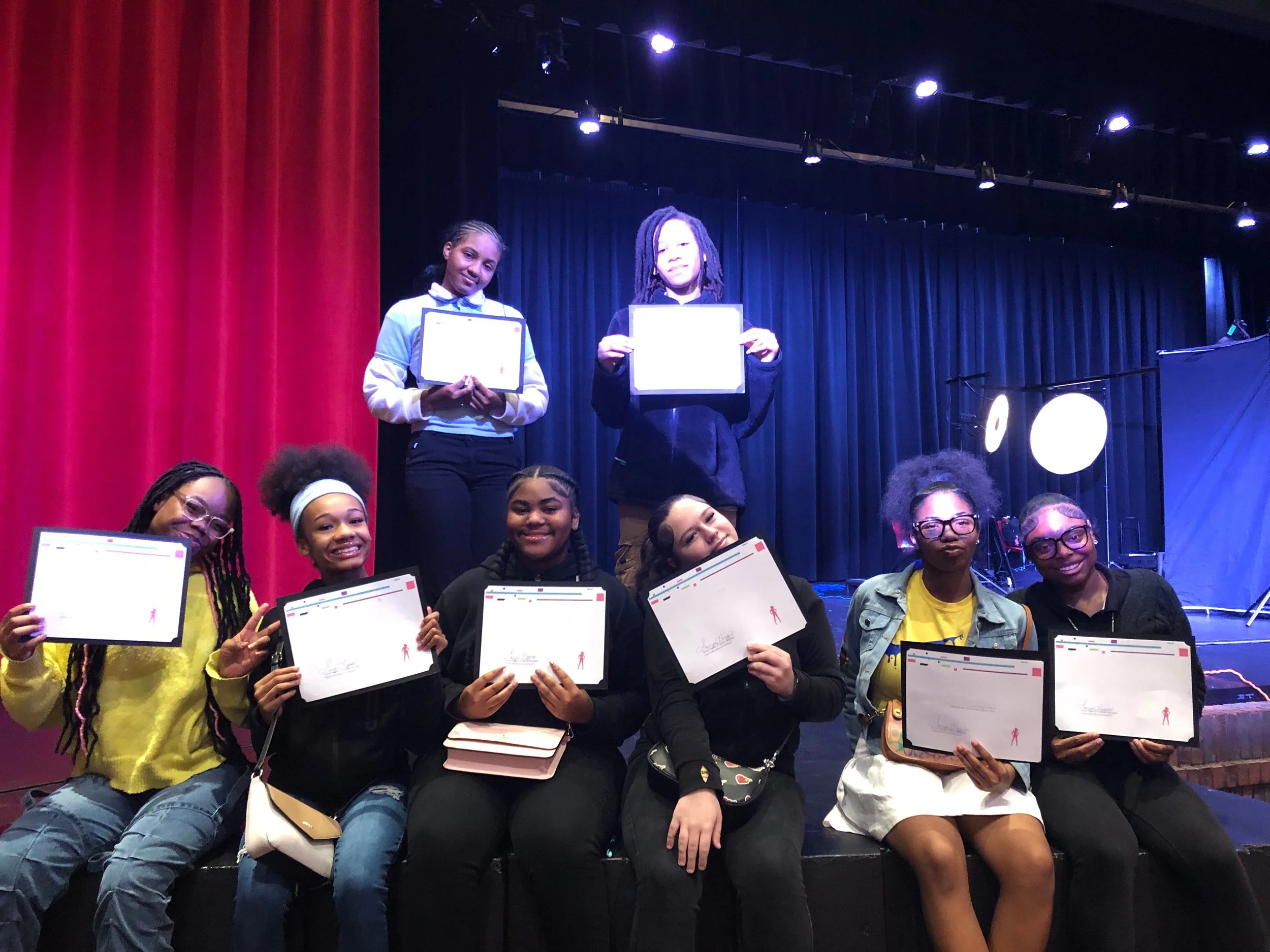
We see this all the time in the girls we serve at From Fatherless to Fearless. On the outside, many of them appear fine. They’re smart. They’re capable. They’re used to handling things on their own. But underneath that strength can be unanswered questions, anger they don’t know what to do with, or a deep uncertainty about their worth and future.
Resilience is often misunderstood. People assume it’s something you’re born with or something hardship automatically gives you. In reality, resilience is built when someone feels supported, seen, and safe enough to grow.
Fearlessness doesn’t mean the absence of fear. It means learning how to move forward even when fear is present. And that skill is taught. It’s modeled. It’s practiced in environments where girls are allowed to make mistakes, speak honestly, and be reminded that they matter.
That’s why support is not optional. It’s essential.
When girls have access to mentorship, emotional guidance, and financial education, something shifts. They stop just reacting to life and start understanding it. They begin to see themselves not just as survivors, but as leaders, creators, and decision-makers. They learn that their past does not get to write their future.
At From Fatherless to Fearless, we focus on mental, emotional, and financial health because fearlessness grows at the intersection of all three. Confidence without emotional healing is fragile. Opportunity without guidance can feel overwhelming. And independence without support can be isolating.
Fearless futures are built in the community.
Being fatherless is not a life sentence. It’s not a limitation. But pretending it doesn’t come with real challenges does a disservice to the girls living it. Acknowledging the weight while providing the support is how we help girls rise — not just cope.
Fearlessness doesn’t come naturally.
It’s nurtured.
It’s taught.
And most importantly, it’s supported.
And when girls realize, they don’t have to do it alone, that’s when fearlessness begins to take root.